
 Wildlife
of the Philippines
Philippine Duck
Ducks, Geese & Grebes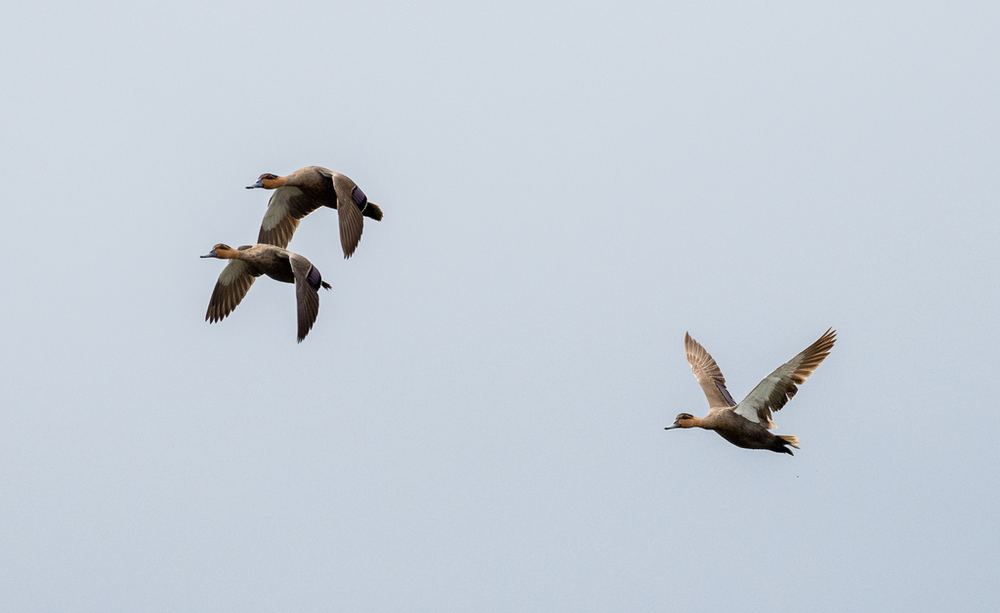
Photo: (c) Forest Botial-Jarvis, some rights reserved (CC BY) · CC BY
Anas luzonica
Philippine national list: Vulnerable (VU)
Basic stats
Diet
Plants including rice, molluscs, crustaceans, fish, frogs and insects
Habitat
Shallow freshwater marsh preferred; also lakes, pools, streams, rivers, salt pans and coastal water
Range
All the major Philippine islands and some minor ones; most recent sightings are on Luzon and Mindanao
Clutch size
10 eggs in nests found
Incubation period
25–27 days, by the female only
Weight
Males average about 890g, females about 780g
The Philippine duck is a large, conspicuous dabbling duck and the only duck endemic to the Philippines. The crown, nape and eye stripe are black, the head and neck cinnamon, and the rest of the body greyish brown with a bright green speculum; the bill is bluish grey and the legs greyish brown. Its Tagalog name, papan or patong gubat, means forest duck. Vagrants have reached Taiwan and Japan (Wikipedia, general species account).
It is most active in the early morning, evening and on bright moonlit nights, and is seen in pairs or small groups; flocks of up to 2,000 have been recorded. It often mixes with other ducks, including wandering whistling duck, garganey and northern shoveler. The breeding season is thought to run from March to November, with a peak in July and August; the female incubates alone and chicks fledge at about eight weeks. Wetland drainage, fishponds and hunting caused steep declines from the 1970s, and sightings are now mostly on Luzon and Mindanao, including at Candaba Swamp and Agusan Marsh on this guide (Wikipedia, citing published sources).
Quick answers
- What does the Philippine Duck eat?
- Plants including rice, molluscs, crustaceans, fish, frogs and insects
- What habitat does the Philippine Duck live in?
- Shallow freshwater marsh preferred; also lakes, pools, streams, rivers, salt pans and coastal water
- Where is the Philippine Duck found?
- All the major Philippine islands and some minor ones; most recent sightings are on Luzon and Mindanao
- How many eggs does the Philippine Duck lay?
- 10 eggs in nests found
- How long are the eggs of the Philippine Duck incubated?
- 25–27 days, by the female only
- How much does the Philippine Duck weigh?
- Males average about 890g, females about 780g